
Hours
Wednesday – Saturday 10am to 4pm
Sunday Noon to 4pm
The museum is closed on all major holidays.

Admission
Adults: $10.00
AAA Members: $9.00
Children 7 - 16: $5.00
Children 6 & under: FREE


History Underfoot: Grass Matting at the Field House Museum
When you see woven floor mats, your first thought might be that they belong in a traditional Japanese home, so you might wonder why they are used throughout the upper levels of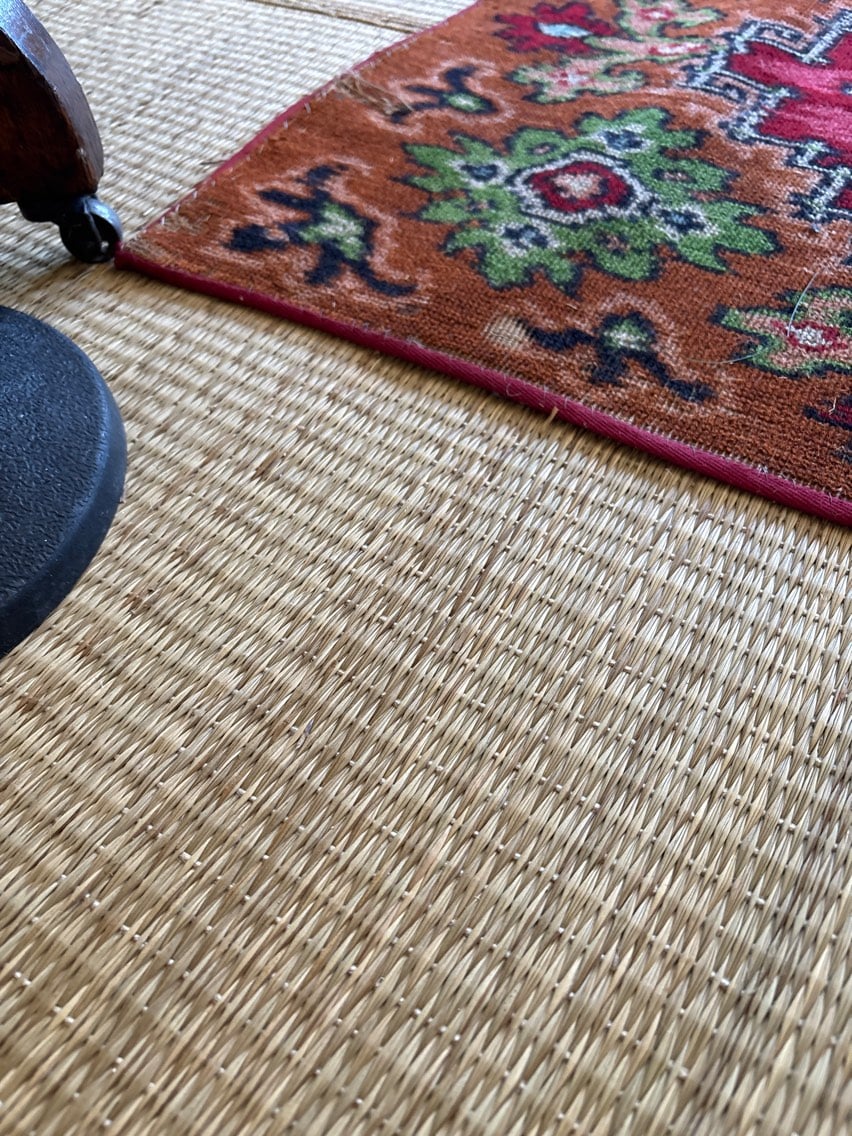 the Field house.
In Japan, these floor mats are called tatami and are made out of bamboo. They are like carpets, used for decoration and comfort. In American houses, they are called rush mats and are made from natural material. Rush mats are often used in rooms where guests are unlikely to see them, and so appearances are less important.
Victorian houses were often dusty because of the building materials used, so rush mats were used as they could easily be rolled up by servants or enslaved people. Once rolled, they could be taken outside, shaken, and then put back in the rooms.
In the Field House, rush mats often served as the base layer for other coverings. In the colder months, warm wool or braided rugs were placed over the mats to help keep feet warm against winter drafts. In the warmer months or during periods when women were childbearing, floorcloths were sometimes used instead, providing a smoother, cooler, and easier-to-clean surface. Unlike decorative rugs, which were expensive and heavy, rush mats were easily transported and replaced if damaged.